Biological Research Facility
a4b8.jpg?h=84d195b7&itok=3itAlXy3)
The Biological Research Facility supports all animal research at the Crick through our comprehensive animal care and use programme.
We are incredibly proud of our work, enabling world class science with animal welfare at the heart of all our activities.
Caring for our animals
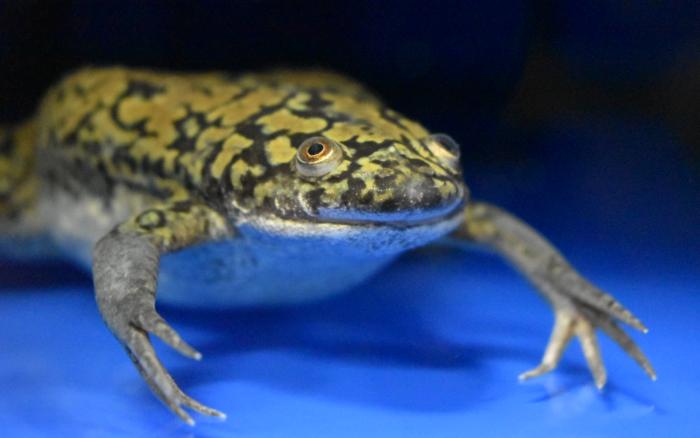
Our cutting-edge animal facilities were designed and built to deliver optimal conditions for our animals. As well as adhering to all relevant legislation and guidelines, we take pride in keeping our animals comfortable and in the best possible health. To keep their environments comfortable and interesting, we give the animals various enrichment materials including nesting material, cage balconies, a selection of cardboard houses, acrylic mouse houses, acrylic crawl balls and chewing blocks in the rodent cages and lily pads in the frog (Xenopus tropicalis) tanks. We regularly trial new environmental enrichment materials to improve the animals' environments and keep up with the needs of science and industry developments.
Teams of animal technologists and Named Animal Care and Welfare Officers (NACWOs) care for the animals and support researchers with their experiments, to minimise any distress or adverse effects. 24/7 healthcare support is provided by Named Veterinary Surgeons and the in-house microbiology Animal Health Services team performs regular microbiological screening to closely monitor the health status of our animals.
Everyone working with animals goes through extensive training, covering everything from legislation to hands-on animal handling, before they can conduct any experiments. This ensures that they can perform the techniques correctly without causing unnecessary distress.
To learn more about the species we work with and about the governance of animal research at the Crick, visit our animal research pages.
Animal research
Animal research
Find out about the ethics, policy and governance of animal research at the Crick.
Specialist services
Genetic Modification Service
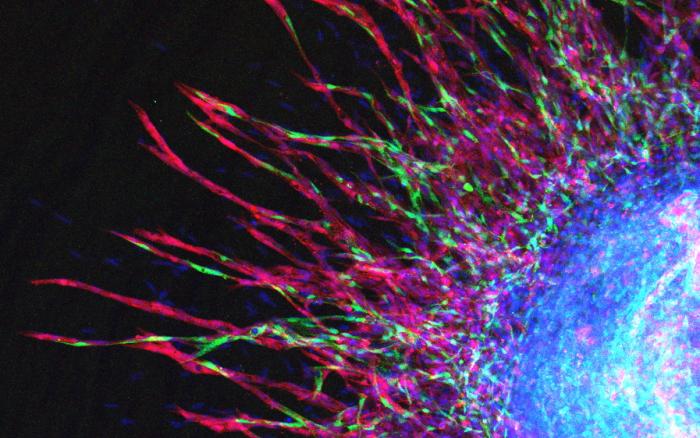
The Genetic Modification Service team designs, produces and maintains animal models for our research programmes. They run a service to enable preservation of unique and valuable genetically modified strains through freezing and storing sperm and early embryonic stages.
In Vivo Imaging
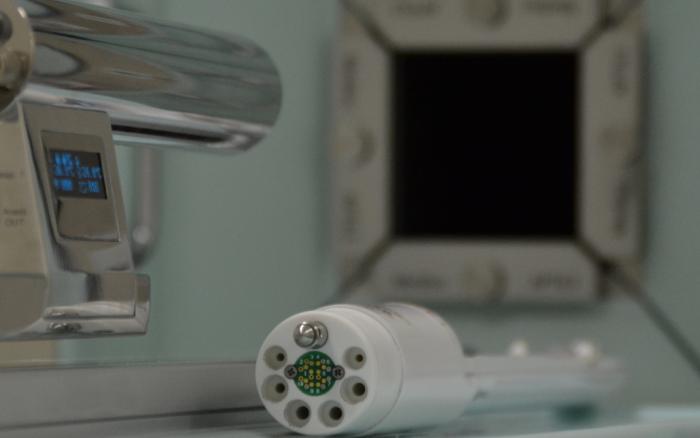
The In Vivo Imaging team offers non-invasive imaging of live animals on a wide range of specialist equipment. This allows scientists to get more information from each animal, reducing the number of animals needed for each experiment.
Publications
Displaying 1 - 10 of 138
Last updated : 03 March 2026 02:59