Animal research
Intro
We are proud of all the work that we do at the Crick, and animals play a key role in many of our research projects.
Our scientists use many different research methods to understand the biology of health and disease. The Crick’s science technology platforms offer state of the art technology and expertise like cell cultures and computational techniques to support our scientists.
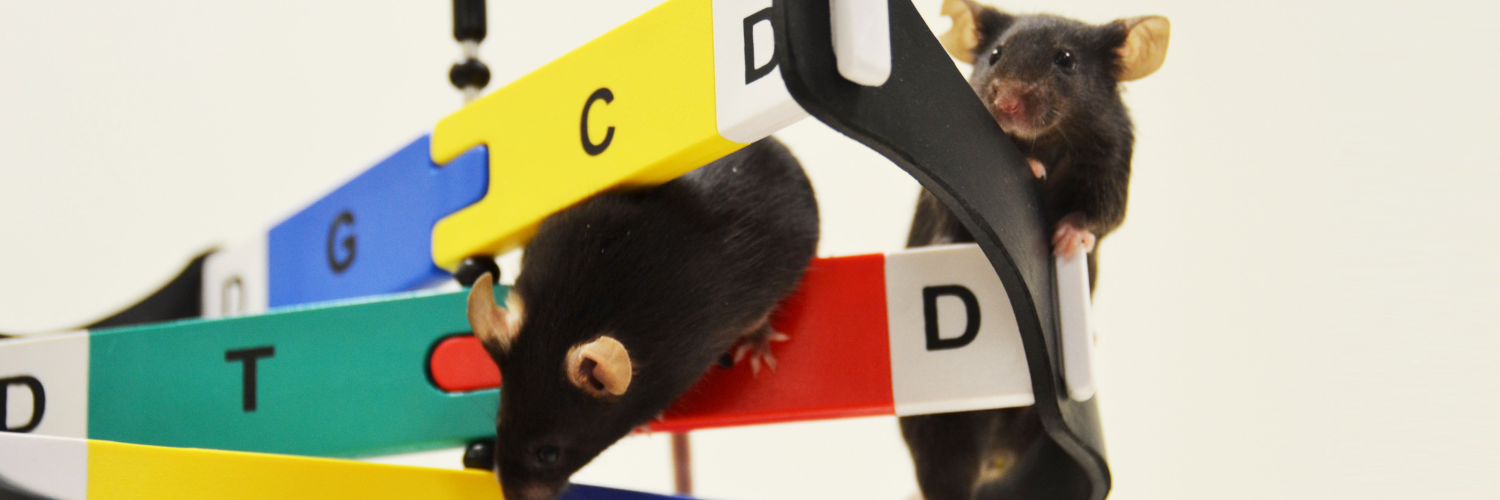
The Biological Research Facility is the Crick’s animal facility offering services to those researchers who use animals such as mice and fish to answer their research questions. For example, studying the effects of genes on development, or identifying the molecules involved in how cancer spreads. There is also the fly facility for those working with less sentient organisms.
We know that research can cause suffering to our animals. We weigh up the potential benefits of every research project against its potential harms.
Every project licence application is subject to ethical and legal oversight and we publish non-technical summaries of all the current projects with animals carried out at the Crick.
Links to policy docs
Non-technical summaries
We publish non-technical summaries of all the current projects with animals carried out at the Crick.
Animals in Research policy
All work involving animals follows our Animals in Research Policy.
Animal research governance and ethics
The legislation and the ethics of animal research.
Biological Research Facility
The Biological Research Facility supports all animal research at the Crick through our comprehensive animal care and use programme.
Find out more
Meet some of the people who work in the Biological Research Facility.
videos
Watch what happens behind the scenes
Watch a behind the scenes video of one of our animal facilities housing mice, ferrets and opossums.
Listen to our aquatics manager speaking about why zebrafish are used at the Crick.
Explore why Crick researcher, James Turner, uses opossums to study sex chromosomes.
Find out more about why we use animals in this video with Crick researcher Simon Boulton.