Faculty
Our faculty is made up of more than 100 research group leaders and the heads of our science technology platforms.
%20for%20web_00085b328.jpg?h=dc495b0b&itok=gGBrD5As)
Page body content
The Crick's faculty brings together a community of biomedical research group leaders at all career stages and technical scientists who oversee our facilities and platforms.
Our group leaders drive the Crick’s research across a broad range of fields, shaping our science through collaboration, innovation, and mentorship. In addition to leading research programmes, they contribute to the institute’s strategy, operations, and scientific culture.
Early career group leaders are researchers at a creative stage in their careers, developing innovative research programmes. Our core funding package gives them the freedom to develop research programmes driven by curiosity, not by trends.
Clinician scientist group leaders are early career group leaders who combine a research programme with work in the clinic. They receive the early career core funding package, allowing them the same freedom to develop their research programme.
University group leaders are faculty members at our university partners who have a joint appointment with the Crick or have transferred their research group to the Crick for a set period.
Principal group leaders are international leaders, appointed on a long-term basis to pursue ambitious research programmes. Principal group leaders also take on leadership roles and mentor the Crick's early career faculty.
Science technology platform leads manage the strategy and day-to-day running of our leading technical facilities and support the teams that run them.
What we offer
We support our faculty to do high-quality science in the best possible environment. Group leaders receive a generous core funding package, which includes lab set-up costs, consumables, and salaries for lab members.
All research groups have access to our world-class science technology platforms (STPs) and high-performance computing cluster. The Crick is designed to foster collaboration - between group leaders, STP leads, and across disciplines. Our purpose-built building and vibrant culture of scientific discourse are built to bring people together and spark new ideas.
How we recruit
We hold regular open recruitment calls for early career group leaders, open to all relevant research areas. These calls are advertised on this page.
To maintain a balanced research portfolio, we occasionally run focused group leader calls for specific research areas. These include calls for clinician scientists and researchers in the physical sciences, which are typically run with our university partners.
For all positions, we ask applicants to complete an application form and provide an academic CV, publications list, a statement of previous research and a statement of their planned research programme.
Science technology platform lead positions are advertised on our vacancies page as they become available.
Video
Hear our Director Edith Heard explain what the Crick offers group leaders, and how we support them to develop as researchers and scientific leaders.
Meet our recent recruits
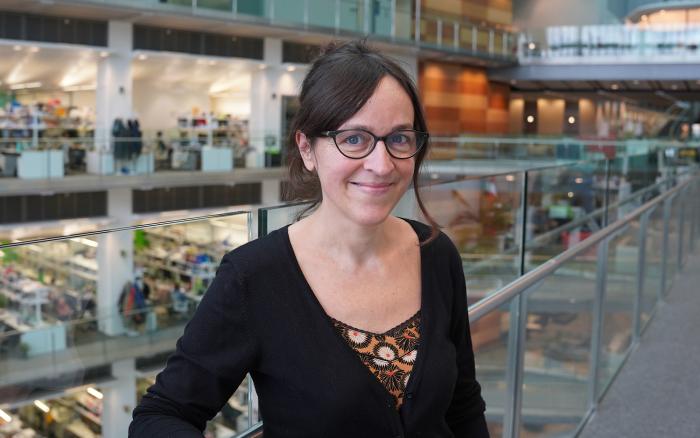
Irene Miguel Aliaga is a principal group leader studying how organs react to their environment to grow and change.
"The Crick offers a rare environment where fundamental questions are taken seriously and collaboration isn’t just encouraged—it’s built into the architecture. For someone interested in the intersections of biology, that was hard to resist."
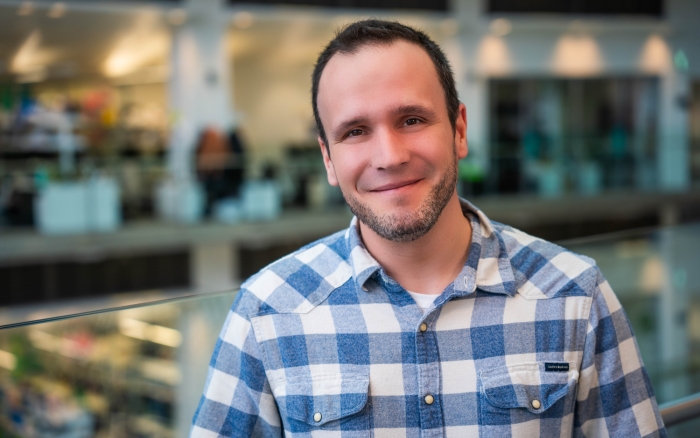
Jose Adrover is an early career group leader working to understand how cancer affects the whole body, especially the cardiovascular system.
"I was personally attracted by the community of researchers at the Crick, many of whom I had followed through my career. The prospect of working alongside them to foster bold and innovative ideas was very exciting."

Manu Natoli leads the Crick's Cell Services team, supporting anyone who needs to use cells and cell cultures for their research.
"You can really see things happening here, and having all these different people under one roof removes some of the barriers to collaboration. It kind of reminds me of being in a big sweet shop when I was a kid. It’s overwhelming, but in a good way."