“ALT allows for continuous division, but leaves cancer cells critically dependent on fragile gene networks, a weakness that we can exploit.”
Principal Group Leader - Assistant Research Director
Most of our cells can only divide a finite number of times. Central to the natural process of cellular ageing are the repetitive DNA sequences found at the end of chromosomes called telomeres. These sequences shorten with every cell division, losing around 50 base pairs each time the cell replicates, and when telomeres become too short, the cell dies.
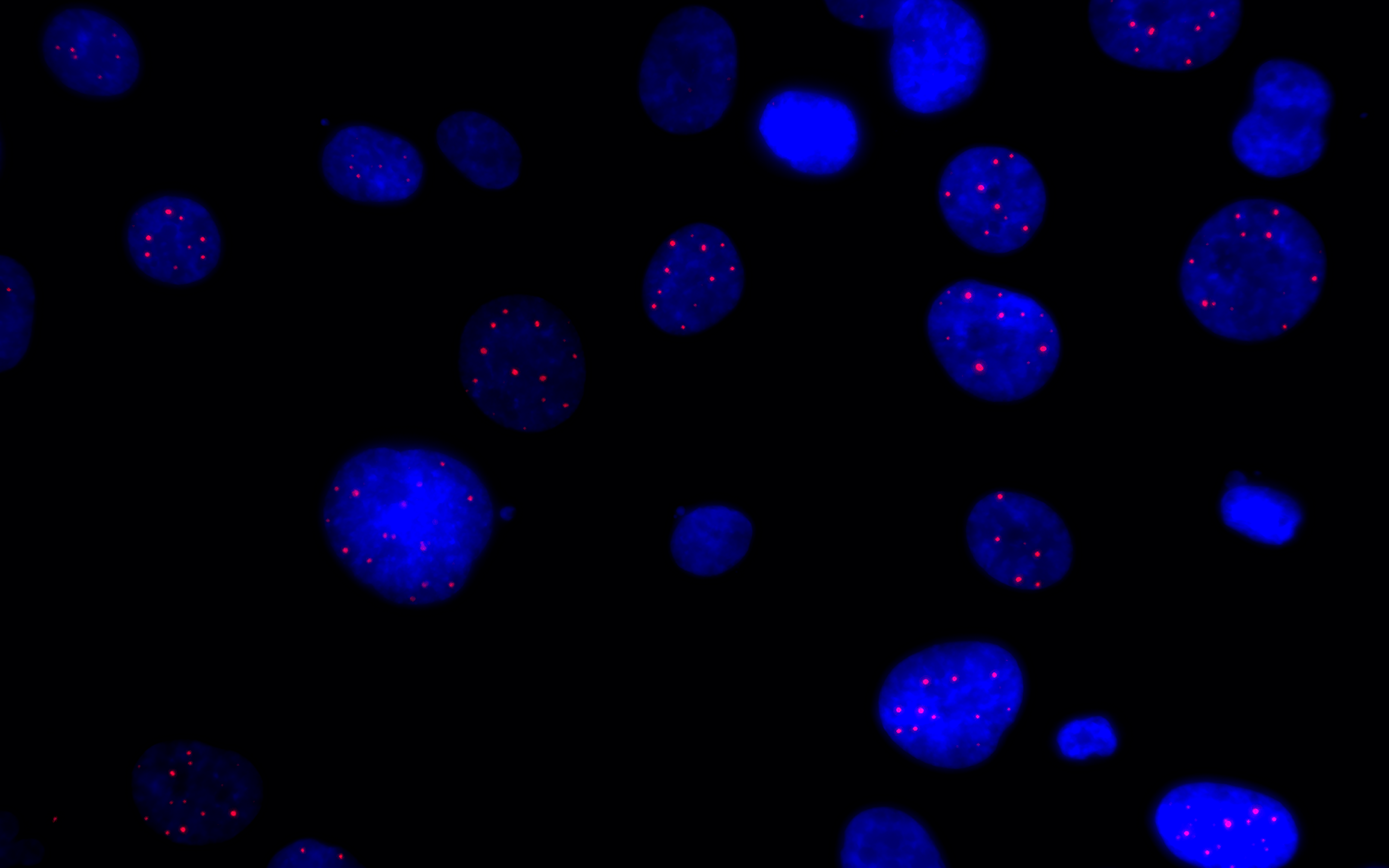
Most cancers overcome this, becoming immortal by reactivating an enzyme called telomerase to maintain the length of their chromosome ends. But some cancers have evolved a disease-specific bypass route to immortality, called ALT – alternative lengthening of telomeres.
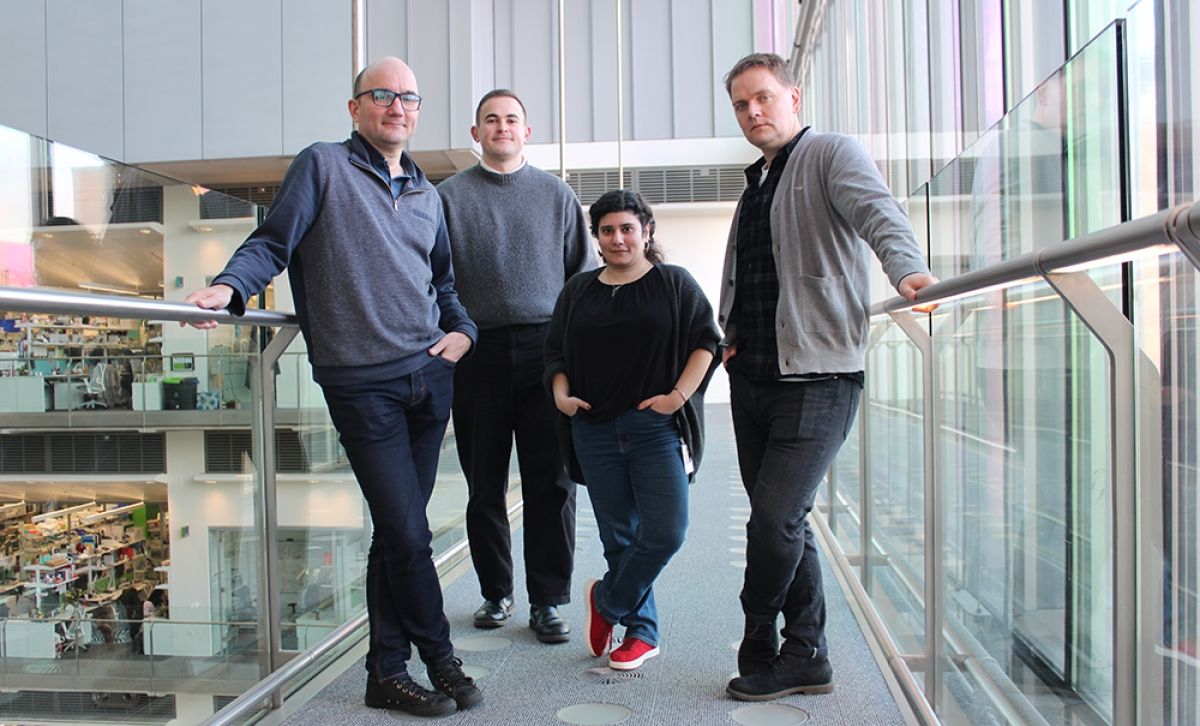
Simon Boulton leads a team of researchers who have been studying telomeres and DNA repair in cancer for nearly 25 years. “ALT is essentially a photocopying mechanism,” he explains. “A telomere can invade another, copying its sequence, and allowing cancer to bypass the normal limits of cell division.”
Around 10-15% of all cancers use ALT, but this pathological pathway is particularly common in cancers that are harder to treat. “Recombination of telomeres leads to genome instability and rapid cancer evolution,” adds Simon. “So, it’s not surprising that more aggressive cancers like sarcomas and brain tumours often use ALT to survive.”
“And while a large proportion of people with cancer will have ALT tumours, there are currently no precision therapies to target them. Our goal is to change that. ALT allows for continuous division, but leaves cancer cells critically dependent on fragile gene networks, a weakness that we can exploit.”
Signals of susceptibility
For Simon, the first step was to understand ALT at the genetic level. “My team used different methods to screen cancer cells from patients, both ALT-positive and telomerase-positive, to look for specific genetic vulnerabilities in gene networks that were unique to the ALT pathway.”
They created a huge dataset in which researchers could mine for actionable genetic signals, so-called ‘hits’ that they believe they could target with drugs.
But developing a drug that safely and effectively inhibits a gene product is another challenge entirely, and that’s where you need chemists.
Pathway to therapy
Joanna Redmond is a chemical biologist with a career spanning drug discovery in industry. In 2022, she established the Crick’s Chemical Biology Science Technology Platform and teamed up with Simon’s lab to start identifying drug candidates to block ALT.
“The first step is computational,” explains Jo. “We check if small molecules already exist for these genetic targets and whether the proteins have well-defined pockets that drugs can bind to. Enzymes, like kinases, are ideal because they have well defined binding sites, whereas structural proteins are trickier and often called ‘undruggable’."
Jo and her team identified several potential molecules, and a couple had already been tested in clinical trials for other diseases.
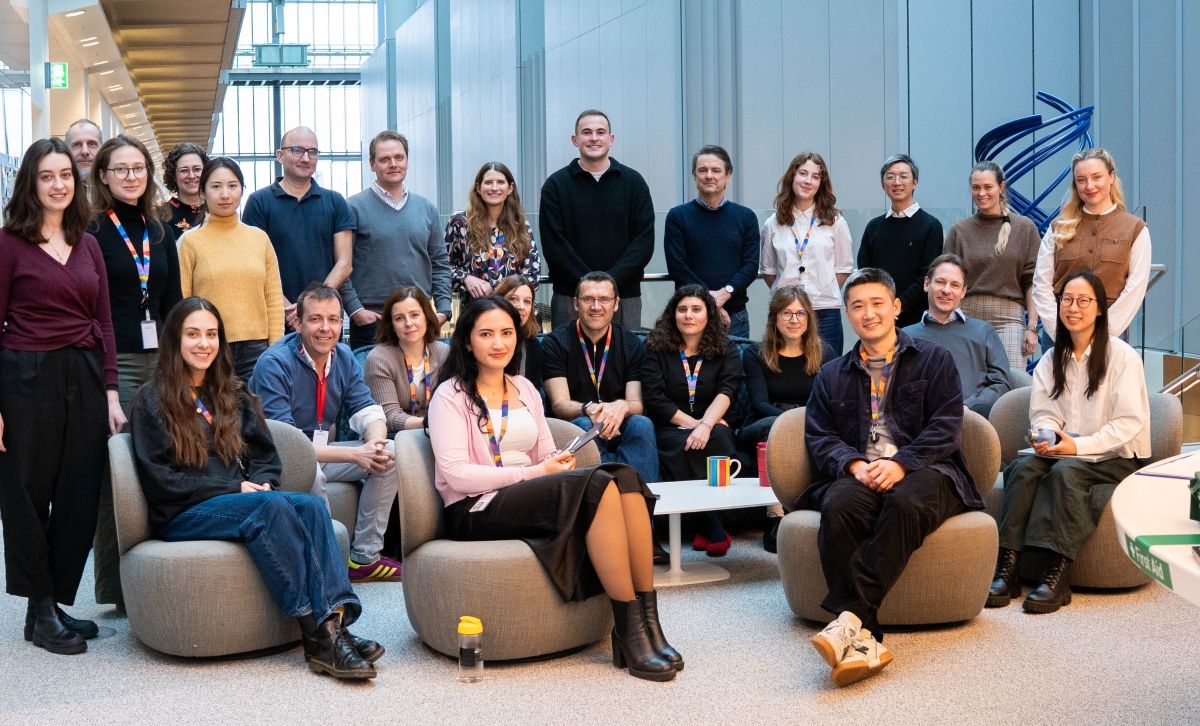
With compounds in hand, the work turned to drug design and development: an iterative, resource-heavy process that pushed Simon and Jo to expand their team. “The Crick’s Small Molecule Discovery Consortium brings together experts in structural biology, protein production, biophysics, crystallography, medicinal chemistry, and pharmacology,” describes Jo. “At the Crick, all of this is under one roof, which is critical for high-quality, rapid progress.”
“It’s about a group of people working together. Remove one skill, and the whole initiative falls apart,” adds Simon.
“It’s this that gives us the best chance of developing a drug that inhibits ALT, but without any unintended effects that may be toxic.”
Head of Chemical Biology STP
The team are working on capturing crystal structures of the different target proteins bound with the small molecules, allowing chemists to examine and refine the interaction. “From there, it becomes a process of rational design, modifying the molecule to increase potency and selectivity, and then testing them in cells and ultimately animal models,” explains Jo. “It’s this that gives us the best chance of developing a drug that inhibits ALT, but without any unintended effects that may be toxic.”
Spinning out science
“We’ve drawn a roadmap for precision ALT cancer therapy, offering hope for patients with some of the most aggressive cancers,” describes Simon. “We want molecules that are highly specific to the ALT target, and effective at doses that patients can tolerate. It’s a high bar, but the combination of genetic insight, mechanistic understanding of disease biology, and drug discovery expertise, brings us closer than ever.”
To ensure this new approach could one day help patients, the Crick’s Business Development team worked with Slingshot Therapeutics Limited, the Syncona Accelerator, and Cancer Research Horizons, to launch a new company called ALTx Therapeutics, with a combined funding commitment of £12.55 million.
“This is the crucial escalation stage,” explains Simon, who co-founded another company called Artios in 2016, which is already treating patients in advanced trials with drugs that target cancer’s DNA damage response.
“It’s now that we can narrow in on our most promising candidates, but at the same time, expanding from drug discovery to drug development. This venture will allow us to validate our approach and establish a pipeline ready for further investment and importantly, ready for clinical advancement.”
“This is an exciting opportunity to turn an enduring tumour survival mechanism into a targetable vulnerability.”
Translational funding
Following successful identification of genetic targets, the team secured investment from the Crick’s Chris Banton Foundation Translation Fund to progress the project into target validation via the consortium.
The Chris Banton Foundation generously provided £50m in funding to the Crick in 2022 for the purpose of pursuing translational research to a point where investors are willing to provide significant investment in the proposed opportunity. The translation fund has its own governance structure, with both scientific and commercial evaluation.
Learn more about translating discovery science